Mondays with Mike: How Our Educational Vision Shows Up in Middle School
…And Why It Matters
Dear PCA Community,
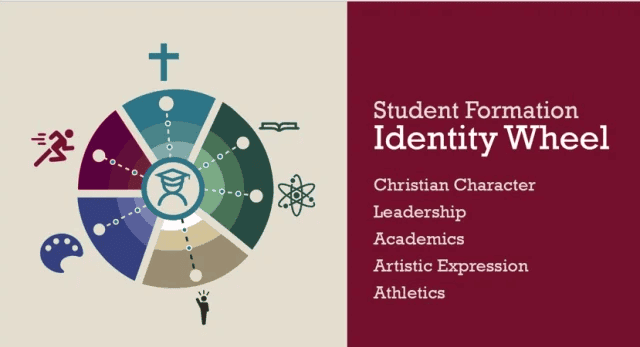
Last week at State of the School, I spoke about educational vision and whole-child formation—not as theory, but as something meant to shape the daily life of a child. Today’s Mondays with Mike is an invitation to hear that vision worked out in practice, through a real conversation about the middle school years.
In this episode, you will hear me sit down with Mrs. Lois Blatchley, our Middle School Principal, for a thoughtful, unhurried conversation about how our educational vision shows up in classrooms, faith formation, class communities, and the real challenges of adolescence. This is a window into how we think, notice, and walk with students in grades 6–8 every day.
Why you will want to listen?
- Deepen your understanding of how we hold academics and faith development together—without treating them as opposites.
- Learn how thinking, asking, and discussion shape learning habits in the middle years.
- Hear an honest, experienced voice speak about adolescence—what is normal, what is hard, and where adults can genuinely help.
This is especially helpful if you are a Middle School parent, or an older Lower School parent listening for how students are being prepared for what comes next.
For additional context, I have also linked our Educational Vision through the button below.
Today’s conversation is one essential aspect of how PCA’s academic and formative goals come together when it is lived out in a school community.
Grace and peace,
Mike Runey
Head of School
Portsmouth Christian Academy
Key Takeaways
- Middle school is not a holding pattern; it is a formative bridge between childhood and young adulthood.
- Academic growth matters—yet it must be interpreted wisely, developmentally, and relationally.
- Reading, thinking, and discussion are central tools for formation, not just academic skills.
- Faith formation in adolescence requires patience, credibility, and consistency—not pressure.
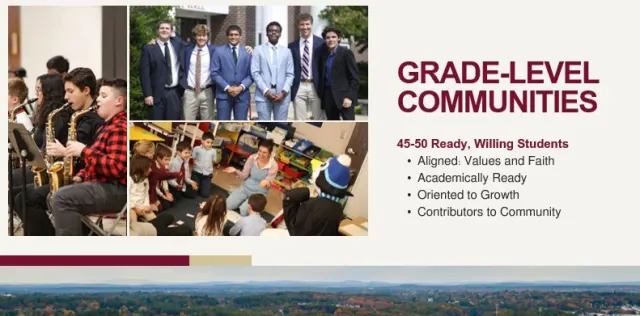
- Strong class communities create the conditions where growth, accountability, and confidence take root over time.
Episode Timestamps
00:00–01:20 — Why middle school matters more than we often admit
01:20–03:30 — Educational vision: what it means in practice, not just on paper
03:30–06:10 — Reading, thinking, and learning habits in grades 6–8
06:10–08:40 — Faith formation and adolescence: realism, hope, and trust
08:40–11:30 — Class communities and student culture
11:30–14:30 — Preparing students for what comes next
14:30–15:30 — What parents should expect—and how we partner together
To hear past episodes, share with your loved ones and friends, follow, and even review us, check out our PCA Podcast on these platforms: