2026 State of the School
Faithful Formation, Steady Stewardship
Thank you to the parents, faculty, and staff who joined Head of School Mike Runey for this year’s State of the School on Thursday, February 5. The afternoon provided an opportunity to pause, reflect, and take a clear look at where PCA is today and where we are headed together.
Mr. Runey grounded the address in gratitude for the daily work of our teachers and staff, and for the partnership of families. He framed the time not as a full report on every detail, but as a shared moment to better understand the school, our direction, and how we are stewarding PCA for the long term.
Three Commitments Guiding Our Work
The presentation centered on three commitments that shape decision-making across PCA:
1. Faithful Formation of the Whole Child
PCA remains anchored in its mission and vision, with a clear focus on forming students as whole people made in God’s image. This formation happens daily, in classrooms, on teams, in relationships, and through routines. Confidently, Christian character sits at the center of all we do, shaping growth in academics, skills, confidence, wisdom, and service.
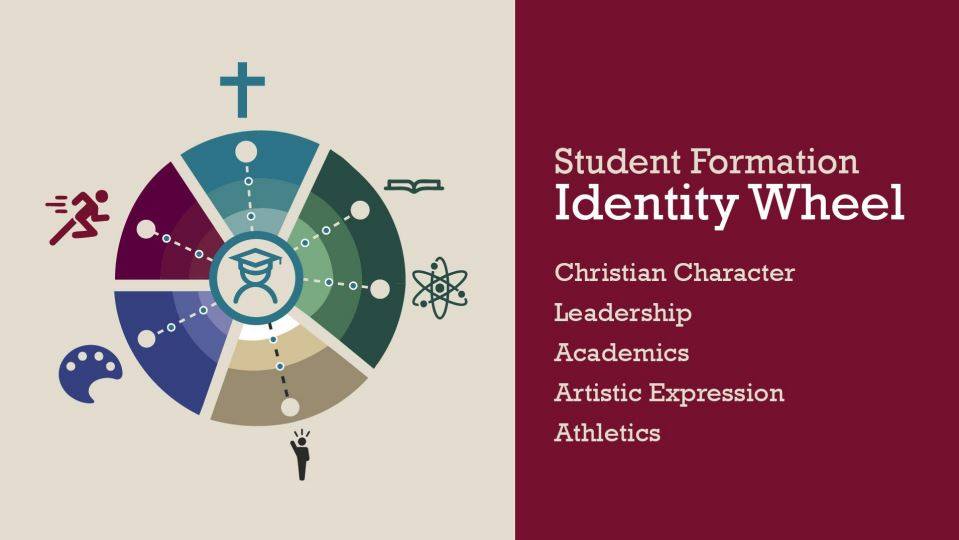
Students are formed within grade-level class communities where they are known, challenged, and supported. These communities are intentionally sized to allow students to contribute meaningfully and grow alongside peers, guided by dedicated Christian educators.
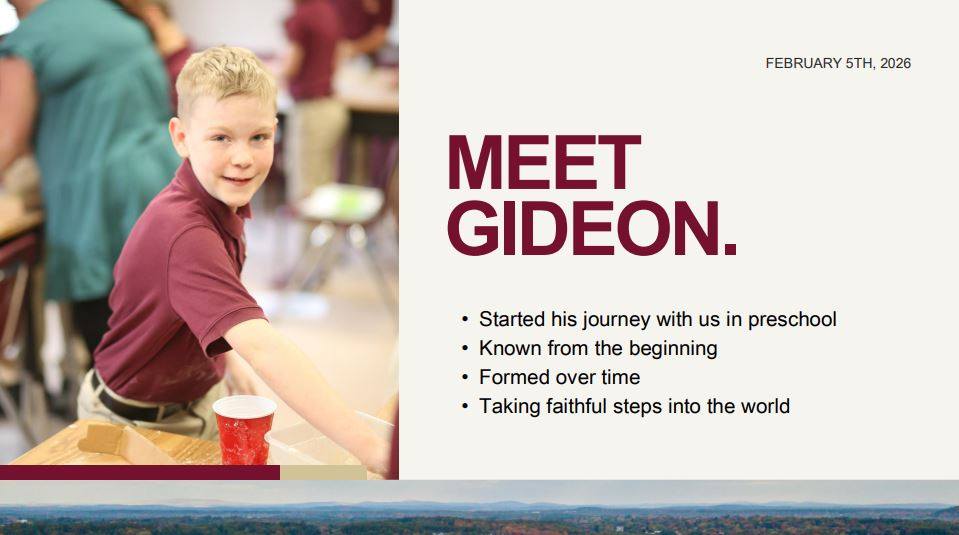
Two student stories shared helped exemplified this vision. Gideon’s journey, from Preschool through Middle School, reflected what steady, patient formation can look like over time. His growth in confidence, learning, faith, and service is the fruit of being known well and supported within a strong class community.
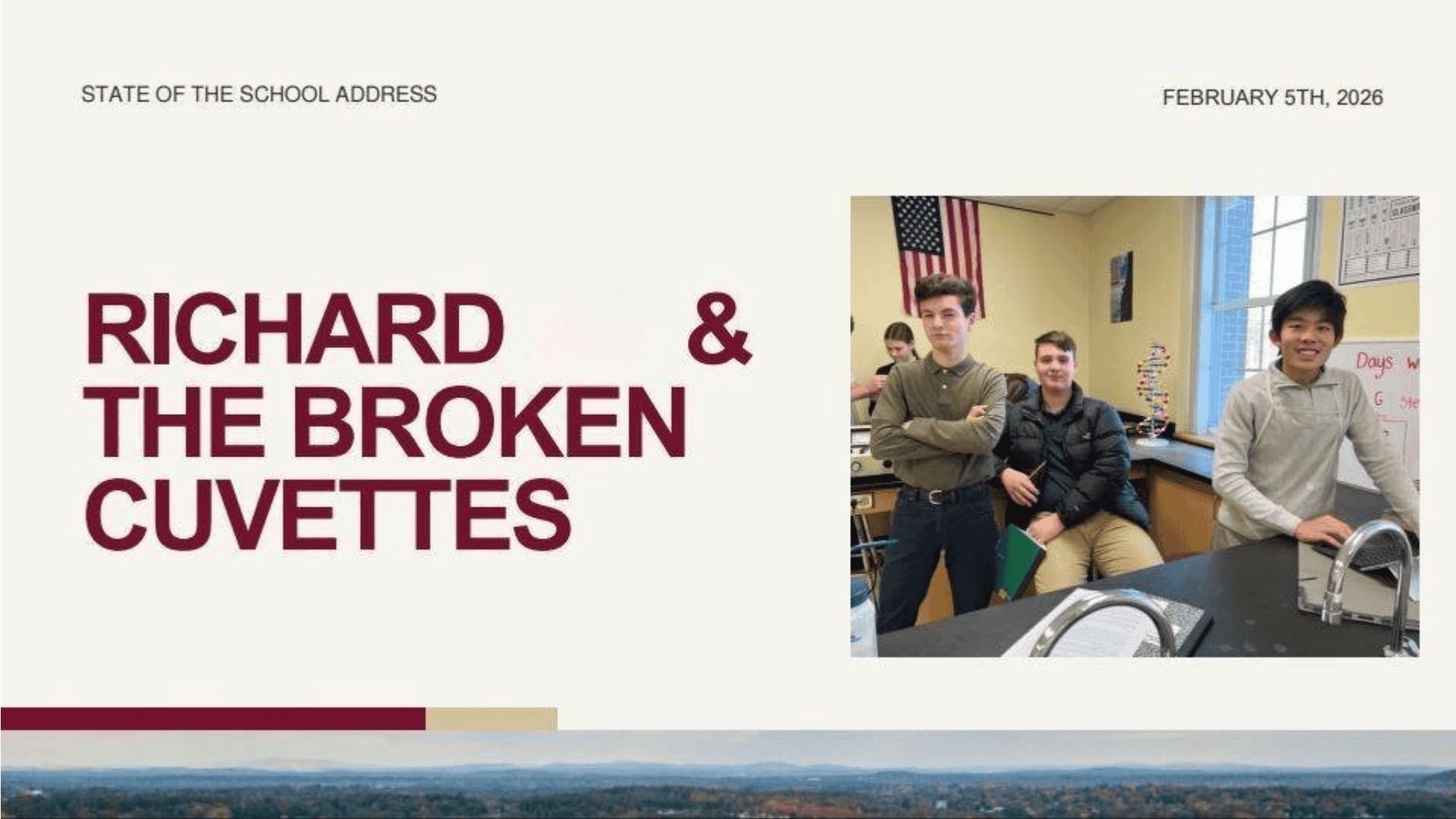
In the Upper School, a story from a chemistry lab highlighted how formation shows up in problem-solving, teamwork, humility, and service. When a student took initiative to repair broken equipment so the whole class could learn, it reflected the kind of growth PCA hopes to nurture: using gifts well, serving others, and growing in confidence through real responsibility.
Throughout this section, Mr. Runey emphasized that PCA is a data-informed school, not a data-defined one. Data helps us ask better questions and reflect honestly, but students are not data points. Growth is understood as appropriate, meaningful progress from where each child begins, across all areas of formation.
2. Stability and Steadiness of the School
A healthy school creates the conditions for formation to last. Over the past several years, PCA has worked intentionally to strengthen its foundation financially, organizationally, culturally, and spiritually. This includes supporting teachers for long-term growth, strengthening community life, expanding access through Variable Tuition, and aligning enrollment across divisions.
As the school’s foundation has grown steadier, PCA is now focusing more fully on coherence. This includes aligning curriculum across grades and divisions, clarifying learning outcomes, and ensuring assessments reflect the kind of graduates we seek to form. This work supports consistency for students and clarity for teachers, and it is a key focus of the current accreditation cycle.
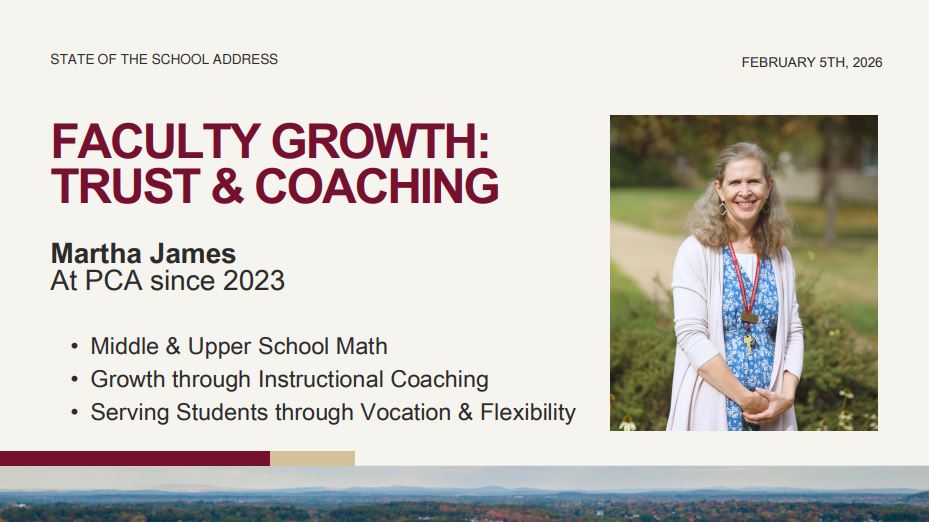
Teachers were highlighted as one of the clearest signs of a healthy school. PCA continues to invest in faculty growth through coaching, professional development, and clear instructional support. One example shared was math teacher Martha James, whose growth through instructional coaching reflects a broader culture of humility, trust, and professional learning among our faculty. When teachers are supported and growing, students experience stronger relationships, deeper learning, and greater consistency.
3. Stewardship for Generational Impact
Mr. Runey emphasized taking the long view by focusing on graduates rather than short-term metrics. PCA’s aim is to prepare Christ-centered graduates who are ready for their next faithful step, whether college, career, or calling. Each student’s formation looks different, and graduates leave PCA shaped in unique ways across the areas of growth and development.
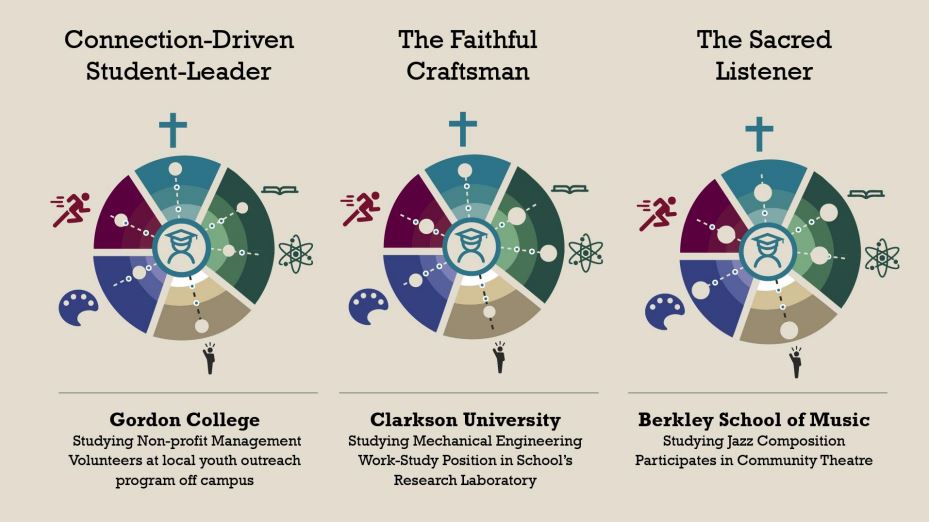
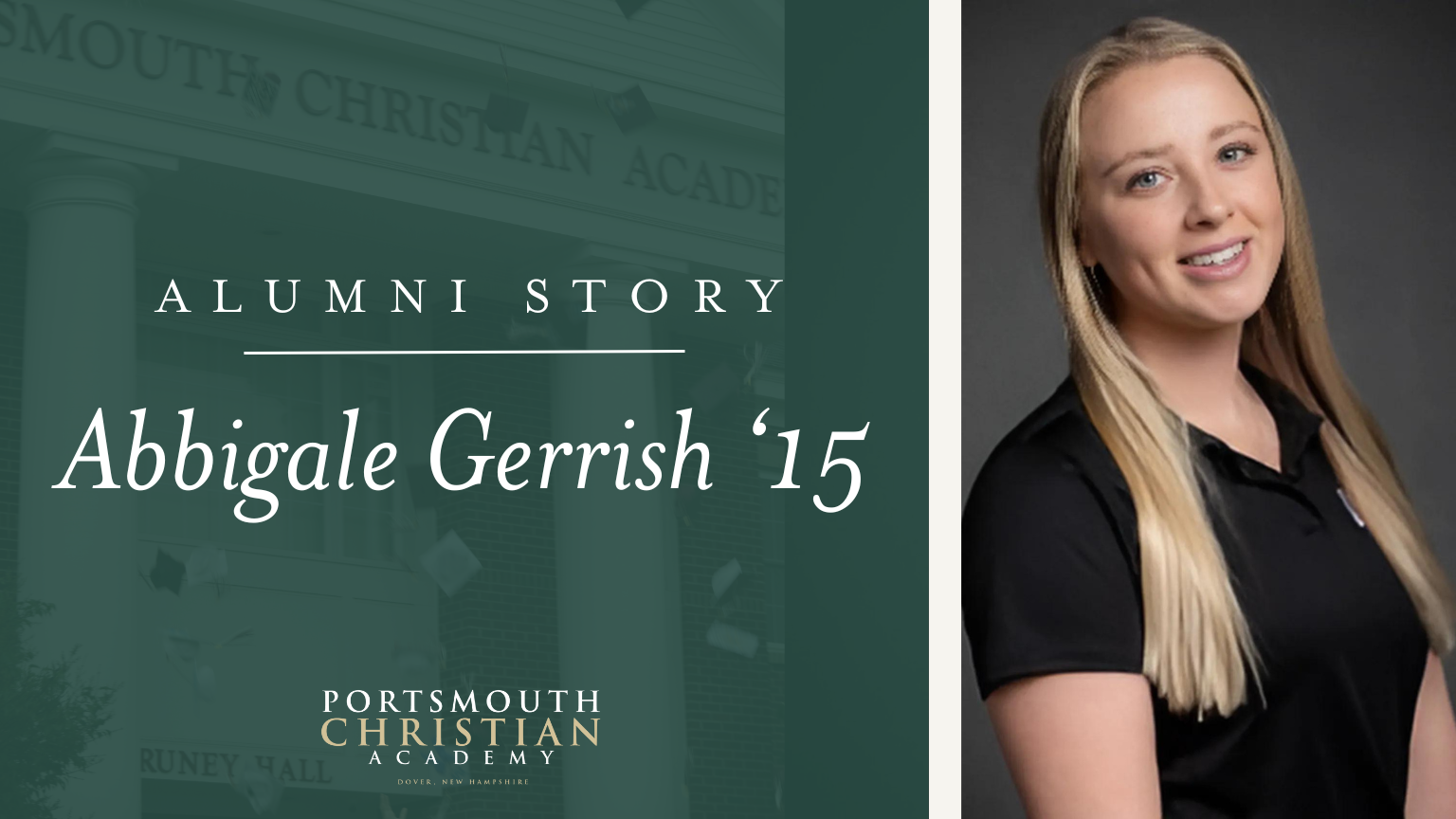
An alumni reflection about Abbigale Gerrish offered a glimpse of formation that endures beyond graduation. Mr. Runey spoke about how PCA helped Abbigale learn to manage real expectations, ask for help, build strong relationships with teachers, and remain grounded in her faith. These are the kinds of outcomes PCA hopes to see carry forward into college, vocation, and life.
Looking ahead, PCA is continuing work in several key areas, including curriculum integration, faculty development through the Professional Progression Plan, and long-term investment in teachers through the Educate for Eternity Teacher Fund. The school is also deepening student leadership opportunities, expanding experiential learning, and caring for campus spaces so they continue to serve students well for years to come.
Looking Ahead Together
Mr. Runey closed by returning to the three commitments that guide PCA’s work: faithful formation, stability and steadiness, and stewardship for generational impact. None of this work happens in isolation. It is sustained through strong partnerships between families, teachers, leaders, and students.
Parents were encouraged to continue conversations through appropriate channels, beginning with teachers and principals as questions arise. Over the coming weeks, Mr. Runey will continue deeper conversations on key topics through his Monday communications with school leaders, offering further insight into academic vision, data use, and graduate outcomes.
We are grateful for the shared commitment of our community to the steady, faithful work of forming students in Christ. Thank you for partnering with us in this important work.